

Modern cities are transforming urban landscapes through innovative conservation initiatives. Key strategies include creating interconnected green spaces, wildlife corridors, and sustainable ecosystems that support native species. Cities like Singapore lead the way with projects that combine technology, community engagement, and climate-resilient design. From vertical gardens to dark sky programs, these efforts bring nature back while enhancing city dwellers’ quality of life. Exploring these solutions reveals how urban areas can become thriving habitats for both humans and wildlife.
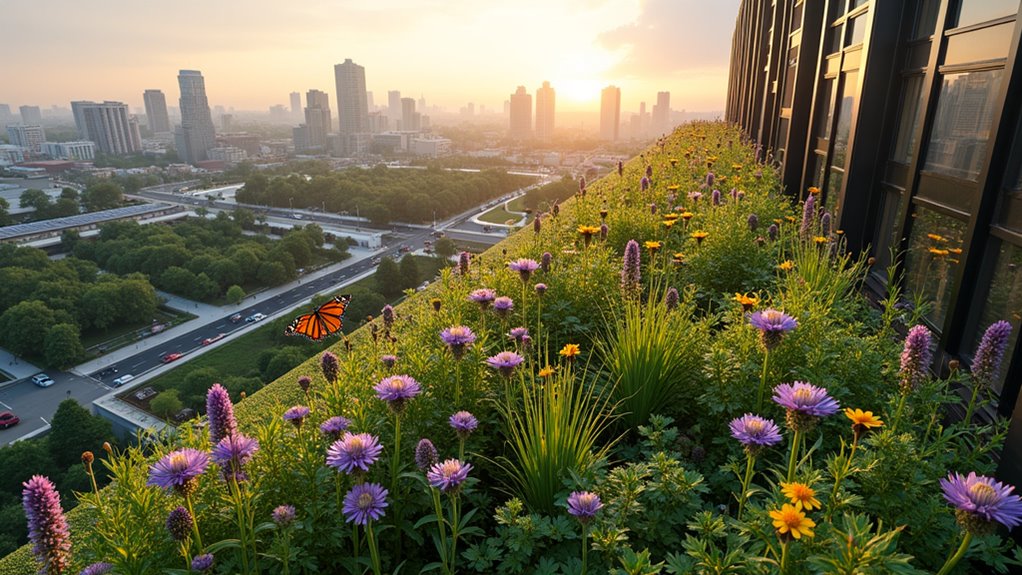
While cities have long been viewed as concrete jungles at odds with nature, urban conservation initiatives are rapidly transforming metropolitan areas into vibrant sanctuaries for both wildlife and people. Through innovative approaches to city planning and community engagement, municipalities are reimagining the relationship between urban development and environmental preservation, creating spaces where nature and civilization can coexist harmoniously. With 3 billion more people expected in urban areas by 2050, these initiatives are becoming increasingly critical.
At the heart of these transformation efforts are urban green spaces, which serve multiple essential functions. These areas not only provide recreational opportunities for city dwellers but also act as critical habitats for local wildlife. By incorporating native species landscaping, cities are creating sustainable ecosystems that require minimal maintenance while supporting local biodiversity. Singapore’s renowned Gardens by the Bay showcases how urban spaces can be transformed into thriving ecological habitats. Urban agriculture initiatives such as vertical farms are also becoming integral to these efforts, helping to reduce the carbon footprint of food supply chains in cities. Community-supported agriculture (CSA) models further support this by establishing local partnerships between farmers and urban consumers, ensuring fresher food systems and reducing transportation emissions. These initiatives highlight the importance of a balanced ecosystem for both wildlife and human communities.
Urban green spaces bridge the gap between human recreation and wildlife habitat, creating sustainable sanctuaries within our concrete landscapes.
These thoughtfully designed spaces help combat the urban heat island effect, improve air quality, and enhance property values in surrounding neighborhoods.
Wildlife corridors represent another fundamental component of urban conservation. These carefully planned pathways connect fragmented habitats, allowing animals to safely navigate through urban environments. From green roofs to specially designed streetscapes, these corridors help maintain genetic diversity among animal populations and markedly reduce wildlife-vehicle collisions. Drones and tracking tools are being used to monitor these corridors, ensuring their effectiveness and identifying areas for improvement.
Cities are increasingly implementing smart technologies, such as bird-safe glass and wildlife monitoring sensors, to further protect and study urban wildlife.
Climate resilience has become a central focus of urban conservation efforts. Cities are adopting strategies that include planting drought-resistant species and creating water-efficient landscapes that can withstand changing climate conditions. These adaptations not only support wildlife but also contribute to the overall stability of urban ecosystems.
Through the implementation of dark sky initiatives and noise reduction measures, cities are creating more hospitable environments for nocturnal species and sensitive wildlife.
Community engagement plays a significant role in the success of these conservation initiatives. Through educational programs and citizen science projects, residents are becoming active participants in urban wildlife conservation. Schools are incorporating conservation education into their curricula, while community groups are leading habitat restoration projects.
These efforts are fostering a new generation of environmental stewards who understand the importance of preserving urban biodiversity.
The integration of technology has revolutionized urban conservation practices. GIS mapping helps planners identify ideal locations for wildlife corridors and green spaces, while mobile apps enable citizens to contribute to wildlife monitoring efforts.
Drones are being employed for habitat assessment and restoration projects, providing valuable data for conservation planning. These technological innovations, combined with traditional conservation methods, are creating more effective and efficient approaches to urban wildlife protection.
The future of urban conservation looks promising as cities continue to develop and implement these innovative solutions.
Frequently Asked Questions
How Can Individual Residents Contribute to Urban Conservation Projects in Their Neighborhood?
Residents can make meaningful contributions through simple yet effective actions.
Creating wildlife-friendly spaces by planting native species, installing bird feeders, and building insect hotels provides essential urban habitats.
Participating in community cleanups, joining local conservation groups, and advocating for green policies at council meetings amplifies individual impact.
Sustainable practices like water conservation and reducing pesticide use help create healthier urban ecosystems that benefit both wildlife and people.
What Are the Costs Associated With Implementing Urban Conservation Programs?
Implementing urban conservation programs involves substantial financial commitments.
Primary costs include initial planning ($50,000-250,000), staff salaries and training (30-40% of budget), and equipment for habitat restoration.
Ongoing expenses cover maintenance, monitoring, and community engagement.
Financial assistance programs help offset costs, with cost-share initiatives covering up to 75% of approved projects.
Additional expenses include property acquisition and potential tax revenue losses from land dedication.
How Long Does It Typically Take to See Results From Urban Conservation Efforts?
Urban conservation efforts show results across different timeframes.
Immediate impacts like reduced litter and increased community engagement emerge within 1-2 years.
More substantial benefits appear in 3-5 years, including improved air quality and biodiversity.
Medium-term results (5-10 years) bring expanded tree canopy and established ecosystems.
The most significant transformations, such as resilient urban ecosystems and measurable public health improvements, develop after 10+ years of sustained effort.
Which Cities Have the Most Successful Urban Conservation Initiatives Worldwide?
Singapore stands out globally with its “Garden City” vision, transforming 2,500+ spaces into thriving ecosystems.
New York City’s High Line and native plant initiatives have become models for urban renewal.
Paris leads European efforts through extensive green roofs and ecological corridors, while Melbourne’s ambitious “Nature in the City Strategy” shows promising results.
These cities demonstrate how targeted conservation can successfully restore biodiversity while enhancing urban livability.
Do Urban Conservation Projects Affect Property Values in Surrounding Neighborhoods?
Urban conservation projects substantially impact nearby property values, with passive parks driving 8-10% premiums for adjacent properties in urban areas.
Tree coverage plays a major role – just 1% more canopy correlates with $9,000+ higher home prices.
The benefits extend 500-600 feet from parks, and up to 2000 feet for larger parks over 40 acres.
However, active parks may create noise and congestion that partially offset these gains.


