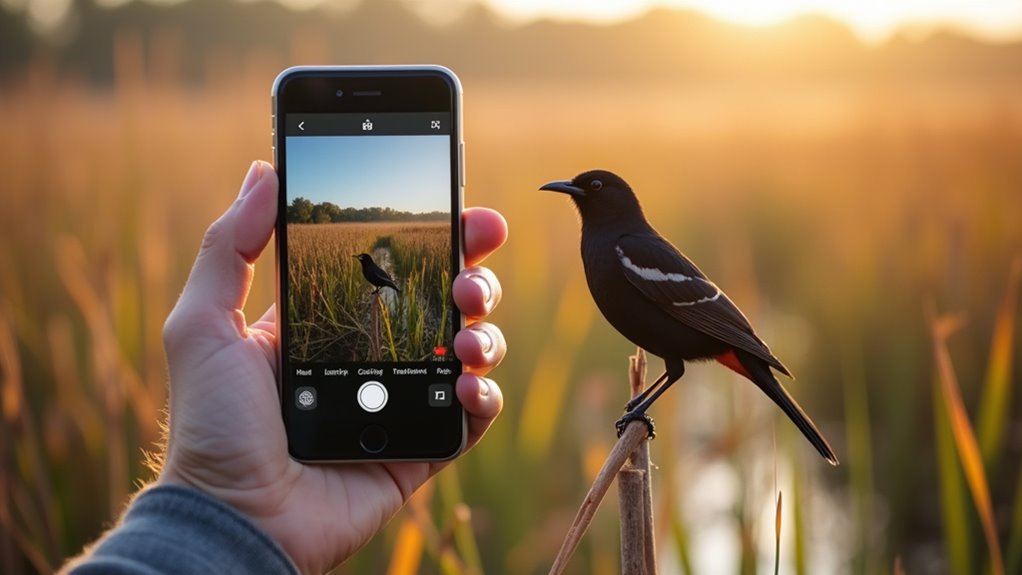
Modern conservation technology integrates drones, AI, and tracking devices to revolutionize wildlife protection efforts. Drones equipped with thermal imaging provide aerial monitoring, while AI systems process vast amounts of data from camera traps and satellite collars to identify species and predict poaching patterns. Despite challenges like limited funding and battery life constraints, these tools enable researchers to gather essential insights about animal behavior and migration patterns. The expanding accessibility of these innovations signals a transformative era for biodiversity preservation.

While the global fight to protect biodiversity has never been more urgent, conservation technology is rapidly evolving to meet these unprecedented challenges. The convergence of innovative tools and methodologies has transformed how scientists and researchers monitor wildlife, track environmental changes, and combat threats to ecosystems worldwide.
At the forefront of this technological revolution are drones, which provide invaluable aerial perspectives for conservation efforts. These unmanned vehicles enable non-invasive monitoring of wildlife populations and habitat mapping, though they face practical hurdles like limited battery life and connectivity issues in remote locations. Conservation teams must also carefully consider the potential stress these devices might cause to animal populations. Many organizations hesitate to adopt drone technology due to high maintenance costs. Thermal imaging capabilities allow drones to detect hidden wildlife through heat signatures. The collaboration between Indigenous groups and conservationists shows that traditional knowledge can enhance drone usage by identifying culturally significant areas and minimizing disturbances.
Drones revolutionize wildlife conservation through aerial monitoring, yet battery limitations and animal welfare concerns pose ongoing challenges for field researchers.
Artificial intelligence has emerged as a game-changing force in conservation, processing vast quantities of data from various monitoring tools with unparalleled speed and accuracy. AI systems can now identify species in camera trap images and predict poaching patterns, greatly reducing the time required for data analysis. This capability allows conservationists to respond more quickly to emerging threats and better understand wildlife behavior patterns. The integration of AI with carbon capture technologies is being explored to optimize environmental monitoring and reduce carbon footprints.
Camera traps and remote sensing technologies have become indispensable tools in the field, providing round-the-clock monitoring of elusive species in their natural habitats. With advancing capabilities in real-time image transmission, these devices offer exceptional insights into animal behavior and distribution. Modern facilities have made ethical improvements in how they manage these technologies to ensure minimal impact on the wildlife they study. Global efforts, such as treaties like CITES, play a crucial role in standardizing and enforcing practices that protect endangered species across borders.
Similarly, bioacoustics and environmental DNA analysis have revolutionized species detection and monitoring, enabling researchers to identify the presence of rare species through sound recordings and genetic material found in water and soil samples.
The evolution of tracking and tagging technologies has notably enhanced our understanding of animal movements and behavior. Biologging devices and satellite collars provide essential data about wildlife migration patterns, habitat use, and potential conflict zones with human activities. This information proves invaluable for protecting endangered species and managing human-wildlife interactions effectively.
Despite these technological advances, the conservation field faces several challenges. Limited funding continues to constrain the implementation of new technologies, while duplication of efforts remains a concern among conservation organizations.
However, the increasing accessibility of these tools and improved data sharing capabilities offer hope for the future. The field’s rapid evolution and growing technological sophistication suggest a promising trajectory for conservation efforts.
The integration of these various technologies – from drones and AI to bioacoustics and tracking devices – represents a powerful toolkit for modern conservation. As these tools become more sophisticated and accessible, they provide conservationists with unparalleled abilities to monitor, protect, and preserve biodiversity.
While challenges persist, the combination of innovative technology and dedicated expertise continues to enhance our capacity to safeguard the planet’s precious ecosystems and species.
Frequently Asked Questions
How Much Training Is Required to Operate Conservation Drones Legally?
Legal requirements for conservation drone operation vary based on use type.
Commercial pilots need FAA Part 107 certification, including an initial aeronautical exam and recurrent training every 24 months.
Recreational users must complete the TRUST test.
Additional permits may be required for National Parks or state-specific conservation work.
Basic training covers flight safety, regulations, and airspace rules.
Some conservation agencies mandate supplementary training for specialized missions.
Can Ai-Powered Tracking Devices Work Effectively in Extreme Weather Conditions?
AI-powered tracking devices perform effectively in extreme weather thanks to rugged hardware and advanced engineering.
With accuracy improvements of 30-40% during storms, these devices utilize machine learning to adapt to harsh conditions.
Solar and kinetic charging keep them running long-term, while satellite connectivity maintains data flow.
Though cold temperatures can impact battery life and heavy precipitation may cause signal issues, the technology consistently delivers reliable tracking capabilities in challenging environments.
What Happens to Collected Wildlife Data if Tracking Devices Malfunction?
When tracking devices malfunction, wildlife data faces several potential outcomes.
Complete data loss can occur from battery failures or physical damage, while partial recovery is possible through retrieved collars or previously transmitted information.
Backup systems and redundant tracking methods help preserve essential data.
Though malfunctions can impact research quality and statistical analysis, mitigation strategies like regular remote downloads and AI algorithms help minimize losses and fill data gaps.
Are Conservation Technologies Compatible Across Different International Monitoring Systems?
Conservation technologies face significant compatibility challenges across international monitoring systems. Different data formats, varying regulations, and inconsistent network infrastructure create barriers.
However, global initiatives like WILDLABS and open-source platforms are making progress toward standardization. Cloud-based systems and AI algorithms help bridge these gaps, while API development enables integration between diverse tools.
Despite these advances, only 30% of bird species are currently trackable with modern systems.
How Do Local Communities Benefit From Implementing These Conservation Technologies?
Local communities gain substantial benefits from conservation technologies through multiple channels.
The implementation creates new jobs in tech roles and data analysis, while generating income from wildlife monitoring programs.
Communities experience enhanced safety through better tracking of poachers and early warning systems for natural hazards.
Access to real-time ecosystem data empowers better resource management decisions, while ecotourism revenues increase due to better-preserved wildlife habitats.