

Farm-to-table movements directly connect local farmers with restaurants and consumers, greatly reducing food transportation distances and associated carbon emissions. This system keeps money circulating within local economies, creates agricultural and service jobs, and guarantees fresher ingredients for customers. Despite challenges like seasonal limitations and higher costs, the movement promotes sustainable farming practices while strengthening community food resilience. The growing trend offers practical solutions for building robust local food systems amid mounting environmental concerns.
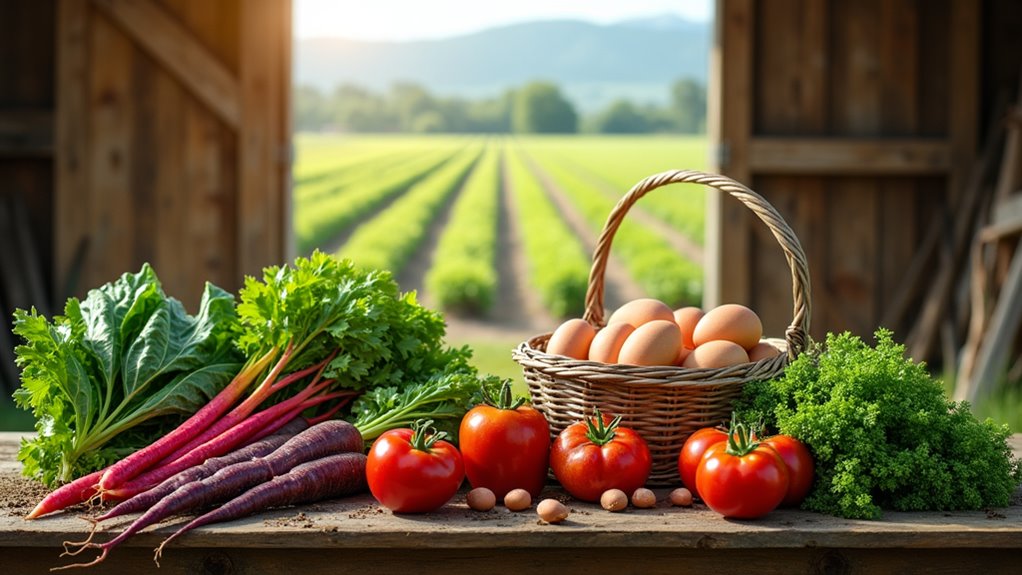
The Farm-to-Table movement, which revolutionized American dining culture beginning in the 1960s, represents a fundamental shift in how people think about and consume food. The movement gained considerable momentum when Alice Waters opened Chez Panisse in Berkeley, California in 1971, pioneering the use of local organic produce and establishing a new paradigm for restaurant sourcing practices.
This transformative approach to food service emphasizes direct relationships between restaurants and local farms, promoting seasonal ingredients and transparent sourcing. By shortening the food supply chain, farm-to-table practices considerably reduce the distance food travels from producer to consumer, resulting in fresher ingredients and lower carbon emissions from transportation. Small-scale farmers form the backbone of this movement, helping preserve agricultural traditions and sustainable practices. Public transportation like bus rapid transit can also play a role in reducing food miles by efficiently transporting goods and people. Under this movement, community-supported agriculture programs are gaining popularity, providing consumers with direct access to fresh, local produce while supporting farmers through subscription-based models.
The economic impact of farm-to-table practices extends deep into local communities. When restaurants source directly from nearby farms, money circulates within the local economy, creating jobs in food production and service sectors. Small-scale farmers benefit from reliable commercial partnerships, while consumers gain access to fresher, more nutritious ingredients and develop stronger connections to their food sources. Additionally, success stories in sustainable farming illustrate how innovative farmers are proving that eco-friendly methods can be both profitable and climate-smart. Empowering communities through local food initiatives fosters lasting environmental change by encouraging residents to engage actively in preserving their local ecosystems.
Farm-to-table practices create a virtuous economic cycle, supporting local farmers while providing communities with fresher, healthier food options.
Despite its growing popularity across the United States, particularly in cities like Boulder and Seattle, the farm-to-table movement faces several challenges. Higher costs for certain ingredients, seasonal limitations, and scaling difficulties for larger operations present ongoing obstacles. Additionally, some businesses have begun misusing the “farm-to-table” term, highlighting the need for stricter standards and better consumer education. Recent investigations have revealed cases of widespread restaurant fraud where establishments make false claims about local sourcing.
The movement continues to evolve through integration with new initiatives and technologies. Urban farming projects are expanding, while food hubs are emerging to facilitate connections between producers and consumers. Farm-to-school programs are gaining traction, introducing younger generations to the importance of local food systems and sustainable agriculture.
Environmental benefits of the farm-to-table movement extend beyond reduced transportation emissions. The approach promotes sustainable farming practices, helps preserve local agricultural land, and reduces the need for chemical preservatives and packaging materials. These practices contribute to the overall health of local ecosystems and support biodiversity.
Looking ahead, the movement is poised for continued growth and innovation. Technology is streamlining farm-to-table logistics, while increased consumer awareness drives demand for local, sustainably produced food. As communities grapple with climate change and food security concerns, the principles of farm-to-table dining offer a practical model for building more resilient local food systems.
The impact of farm-to-table extends beyond restaurants and farms, fostering a broader cultural shift toward more conscious consumption. Through farmers markets, community-supported agriculture programs, and educational initiatives, the movement continues to strengthen the connections between producers and consumers, creating a more sustainable and equitable food system for future generations.
Frequently Asked Questions
How Do Farm-To-Table Restaurants Verify the Authenticity of Local Food Sources?
Farm-to-table restaurants employ rigorous verification methods to guarantee authentic local sourcing.
They obtain written assurances from farms, conduct on-site inspections, and review food safety documentation. Restaurants check supplier certifications, audit histories, and compliance with agricultural regulations.
They maintain detailed purchase records and implement quality control measures like produce inspections and HACCP systems.
Staff education and transparent menu labeling further support source verification efforts.
What Percentage of Food Cost Typically Increases When Switching to Farm-To-Table Sourcing?
Food costs typically increase by 10-30% when restaurants shift to farm-to-table sourcing models. This increase stems from several factors: smaller-scale production methods, more labor-intensive farming practices, and seasonal availability of ingredients.
However, these higher costs are partially offset by reduced transportation and packaging expenses.
Restaurants often manage these increases through strategic menu pricing, typically requiring 3-5% adjustments to maintain profitability while delivering fresh, local ingredients.
Can Farm-To-Table Movements Succeed in Regions With Limited Growing Seasons?
Farm-to-table movements can thrive in regions with limited growing seasons through strategic adaptations.
Year-round greenhouse production, advanced storage techniques, and seasonal menu flexibility enable local food systems to operate successfully. Regional partnerships with nearby areas having complementary growing seasons expand available offerings.
Modern preservation methods like freeze-drying and fermentation help bridge seasonal gaps, while hydroponic farming and vertical gardens provide fresh produce throughout the year despite climate limitations.
How Do Small Farmers Handle the Logistics of Direct Restaurant Deliveries?
Small farmers employ several key strategies to manage restaurant deliveries efficiently. They utilize online ordering platforms and route optimization software to streamline operations and consolidate deliveries to restaurants in the same area.
Many work with farm aggregators who combine orders from multiple farms. Refrigerated transport and reusable packaging maintain product quality.
Cloud-based inventory systems and weekly availability lists help coordinate with chefs, while established delivery schedules maximize efficiency.
What Food Safety Regulations Specifically Apply to Farm-To-Table Distribution Methods?
Farm-to-table distribution must comply with FDA’s Food Safety Modernization Act requirements, including record-keeping of safety practices and employee training.
Local health departments conduct inspections and enforce regulations. Key requirements include temperature control during transport, proper vehicle sanitization, and water testing.
Small farms selling under $25,000 annually are exempt from FSMA rules, though they must still follow state and local health codes for direct sales.


