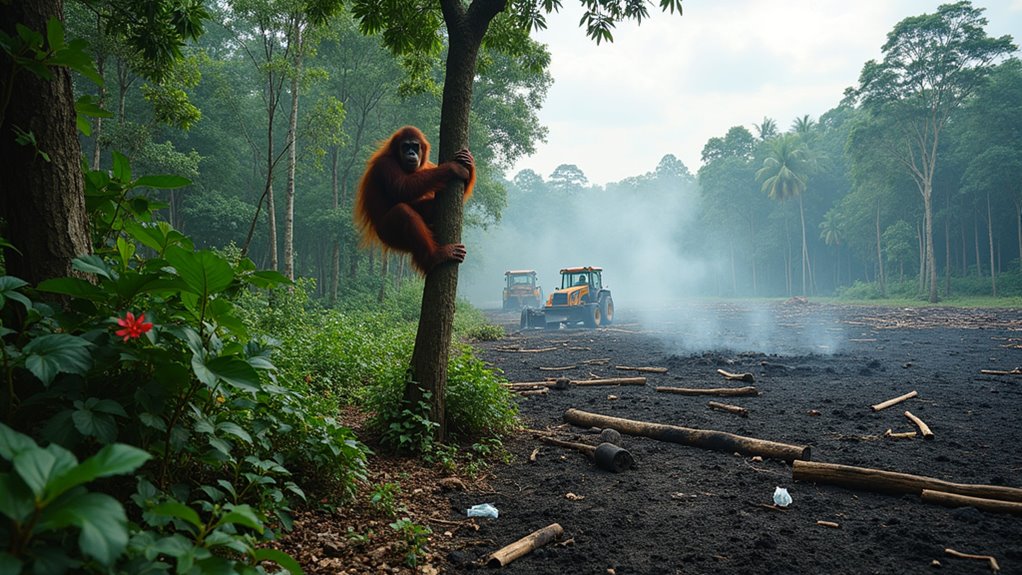
The illegal wildlife trade devastates global biodiversity, with traffickers exploiting over 7,000 species in a black market worth up to $23 billion annually. This criminal enterprise targets iconic animals like elephants and rhinos while decimating vital plant species, triggering devastating ripple effects throughout ecosystems. Beyond environmental damage, wildlife trafficking fuels corruption, undermines local economies, and increases disease risks. Yet successful conservation efforts and strengthened protections demonstrate that determined action can reverse these destructive trends.

While habitat loss remains the leading threat to global biodiversity, the illegal wildlife trade has emerged as a devastating force that pushes countless species toward extinction. With an estimated annual value between $7-23 billion, this illicit industry affects nearly every country worldwide, trafficking in thousands of species of plants and animals. The scale of this crisis is staggering – over 7,000 species are caught in the crosshairs of illegal trade, with iconic creatures like elephants, rhinos, and tigers facing relentless pressure from poachers. The trade of medicinal plants alone accounts for over 440,000 tonnes annually.
The consequences extend far beyond individual species. When poachers target keystone species, they trigger cascading effects throughout entire ecosystems. For instance, the decimation of shark populations through finning has led to unexpected explosions in smaller fish populations, destabilizing marine food webs. Similarly, the selective poaching of larger, healthier specimens removes the fittest individuals from breeding pools, weakening species’ genetic resilience over time. The Convention on Biological Diversity is one of the key frameworks guiding efforts to maintain and restore biodiversity across the globe. Recovery efforts for some endangered species have shown that conservation actions can reverse these negative impacts. Additionally, safeguarding fisheries helps maintain the balance of marine ecosystems, ensuring that marine life can thrive despite human pressures. The urgency of empowering young voices in the fight against the illegal wildlife trade cannot be overstated, as they bring fresh perspectives and energy to conservation efforts.
Poaching’s ripple effects cascade through ecosystems, from disrupted food chains to weakened genetic pools, threatening nature’s delicate balance.
The impacts ripple through human communities as well. Wildlife trafficking undermines developing nations‘ efforts to manage their natural resources sustainably, while fueling corruption and organized crime. Countries depending on nature-based tourism see their economies suffer, and local communities lose traditional livelihoods. Perhaps most alarmingly, the illegal wildlife trade creates perfect conditions for zoonotic disease transmission – as the COVID-19 pandemic demonstrated all too clearly. Approximately 100 rangers die each year while protecting wildlife from ruthless poachers.
The challenges in combating wildlife trafficking are formidable. Criminal networks exploit weak regulations and porous borders, while high demand continues driving up prices for rare species. Yet conservation efforts are gaining momentum. The Convention on International Trade in Endangered Species (CITES) now regulates trade in over 35,000 species, while improved law enforcement and anti-poaching measures are making trafficking more difficult and dangerous for criminals.
Community-based conservation programs are proving particularly effective, empowering local stakeholders to protect their natural heritage. These initiatives recognize that sustainable solutions must address both supply and demand – combining enhanced enforcement with consumer education and alternative livelihoods for communities that might otherwise turn to poaching.
The integration of wildlife protection into broader sustainable development goals reflects growing recognition that biodiversity conservation and human wellbeing are inextricably linked.
Success stories do exist: rhino populations in some African nations are slowly recovering thanks to intensive protection efforts, while consumer awareness campaigns in Asia have begun reducing demand for certain wildlife products.
While the illegal wildlife trade remains a serious threat to global biodiversity, these achievements demonstrate that determined action can turn the tide. The key lies in maintaining pressure on traffickers while building support for conservation at both local and international levels.
Frequently Asked Questions
How Can Ordinary Citizens Help Combat Illegal Wildlife Trafficking?
Ordinary citizens can take several concrete actions to fight wildlife trafficking.
They can educate themselves about endangered species and share awareness through social media and local events.
Making responsible purchasing decisions by avoiding products from endangered animals is essential.
Supporting anti-trafficking organizations through donations or volunteering helps.
Citizens should also report suspicious wildlife trading activities to authorities and stay informed about wildlife protection laws.
What Technologies Are Being Developed to Detect Wildlife Smuggling?
Advanced technologies are revolutionizing wildlife trafficking detection. AI algorithms now scan X-ray images with over 70% accuracy to spot concealed animals.
Machine learning models identify species through vocalizations and analyze satellite imagery for illegal fishing patterns. Portable DNA sequencers, 3D scanning, and thermal cameras help authorities catch smugglers.
Integration platforms like EarthRanger combine multiple data streams, while smartphone apps enable citizen reporting of wildlife crimes.
Which Countries Have the Strongest Penalties for Wildlife Trafficking?
Japan currently has the most stringent penalties for wildlife trafficking, with up to 5 years imprisonment and substantial fines reaching ¥5 million ($52,000) for individuals and ¥100 million ($1.04 million) for companies.
Indonesia’s proposed changes would establish significant minimum sentences of 2-5 years.
The United States maintains strong enforcement through multiple laws like the Lacey Act and Endangered Species Act, with fines up to $50,000 and 1-year imprisonment per violation.
How Do Criminal Organizations Launder Money From Illegal Wildlife Trade?
Criminal organizations employ multiple methods to launder illegal wildlife trade profits. They commonly use shell companies and front businesses to disguise transactions, layer funds through complex banking channels, and exploit import-export operations.
Money is often moved through informal transfer systems like hawala networks. Criminals also purchase luxury goods, real estate, and utilize cryptocurrency.
Some groups partner with legitimate businesses to co-mingle legal and illegal funds through daily operations.
What Role Do Social Media Platforms Play in Facilitating Wildlife Trafficking?
Social media platforms have become major enablers of wildlife trafficking, with Facebook, Instagram, and WhatsApp serving as primary marketplaces.
These platforms provide traffickers with unprecedented reach, anonymity, and buyer access. Despite removing over 24 million illegal wildlife listings since 2018, the problem persists.
Criminals use code words and blurry photos to evade detection, while platform algorithms inadvertently amplify illegal content.
In Vietnam alone, Facebook hosts 51.3% of online wildlife trade.